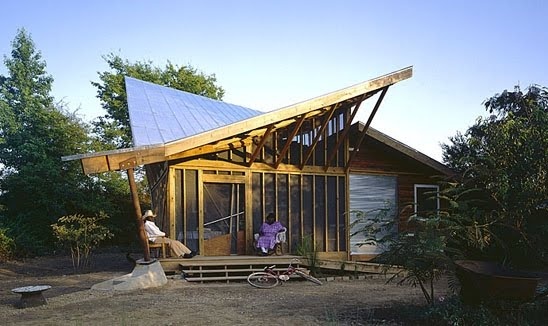
 Anderson and Ora Lee Harris' home in Hale County, Alabama
People and Place Matter
“ The professional challenge, whether one is an architect in the rural American South or elsewhere in the world, is how to avoid being so stunned by the power of modern technology and economic affluence that one does not lose sight of the fact that people and place matter.”
“ For me, drawing and painting are the initial influences for the making of architecture. The sketch is always out front. It sees ahead and deeper into what is already on the paper.”
“ The initial sketch is always an emotion, not a concept. In the beginning, it is important to allow the imagination to move freely without any influence from a preconceived form. It’s a mark that suggests the possibility of an idea. For me, it’s the act of drawing that allows the hand to come into accord with the heart. When that happens, there comes a moment when the marks of the sketch — it can be a pen mark or a computer mark — utter the first deeper knowledge of what will come later. “
– Sambo Mockbee
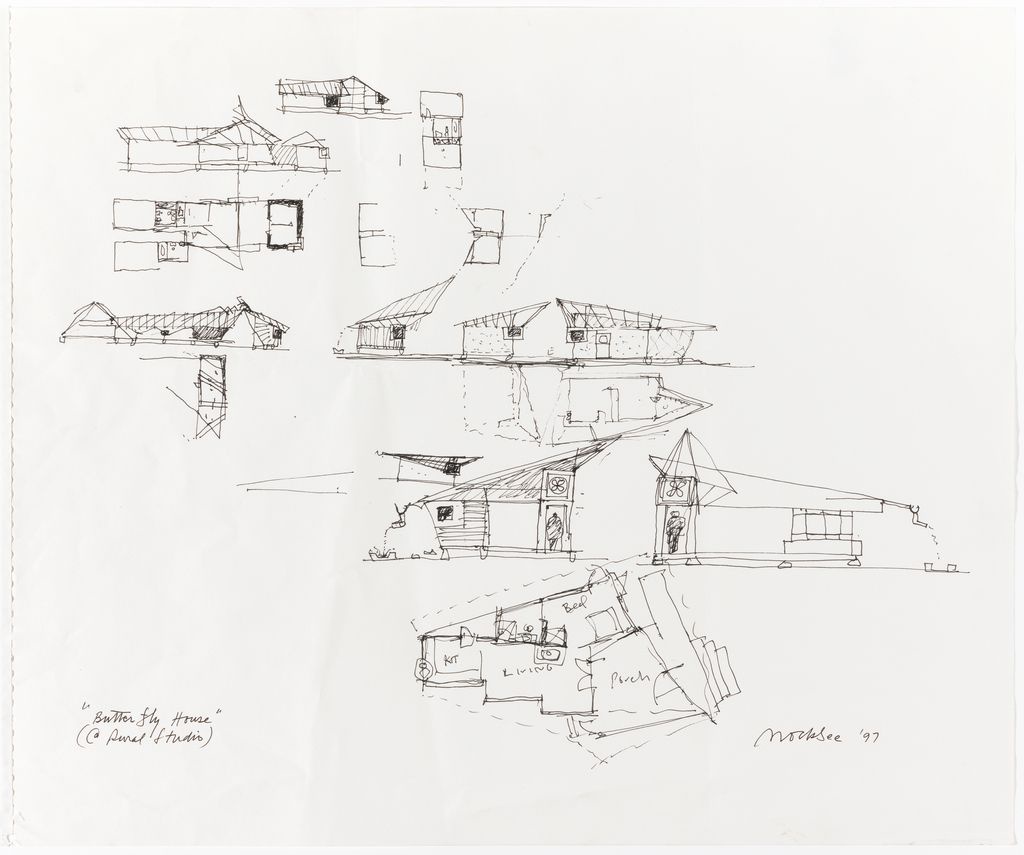
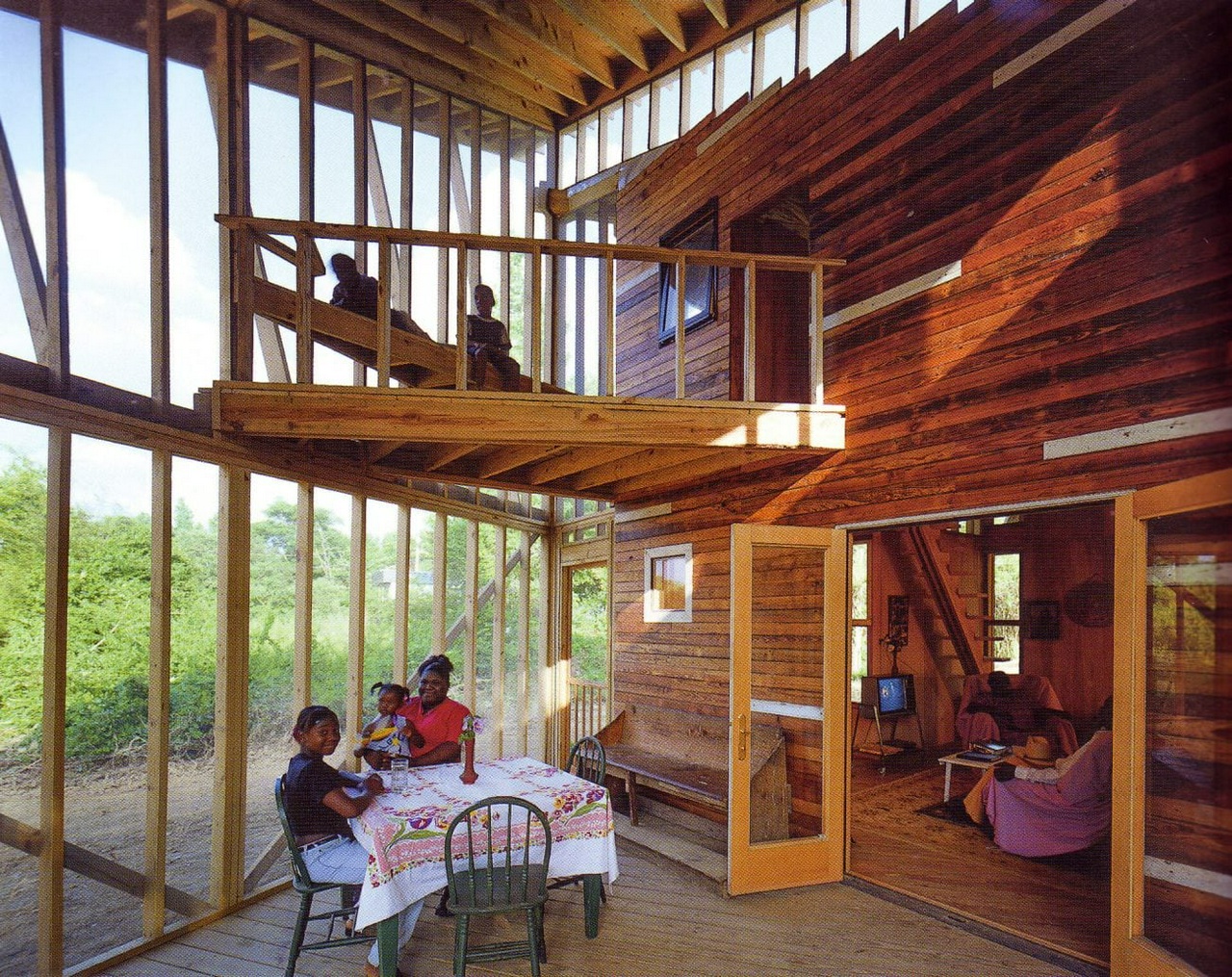
Professor Mockbee spent hours helping me with my graduate thesis, and we had long conversations about W. E. B. Du Bois’s The Souls of Black Folk. He convinced me to study the communities that freed people built in rural Alabama after emancipation. He and I were from this place and knew there was a hidden cultural landscape, unstudied and undocumented. When I got to spend a week working with Professor Sambo Mockbee at Auburn’s Rural Studio. Made in part from scrap materials, the Butterfly House, as it came to be known, I learned what is possible when it comes to affordable housing. Rooted in place, not commodity-driven, beyond building codes: home. I have not continued what Mockbee showed us, nor have others. Truth be told, none of us under his influence have equaled his level of work. Nor have the professors who followed him. Good work has certainly been done at Auburn. But Sambo reached deeply into the spirit of the people and the place—rural Alabama—and somehow those dreams, myths, and layered history expressed themselves in form.
But I remember a candid conversation with Sambo that still haunts me. He could not actually design and build the things he wanted and make a living. This is why he started teaching. Poor people and communities that need what architecture cannot afford it. My response was to move to Aspen, Colorado, and work for one of the more noted design firms, where clients often did not have a budget. I had shared some of that work with him and was full of myself and proud of it. In a phone call shortly before he died, he told me to come back and finish my graduate thesis while he and Jack Williams were at Auburn. “ What you’re doing is…your being a housepet for the rich. ” He was right. I gave two weeks’ notice the next day. Ultimately this put me on the path to using my camera to study what was meaningful.
The thing I will remember most about Sambo Mockbee is his dreams were bigger than our shared reality. What made him different was that he made them reality. Three decades later I still hear Sambo’s words in my head:
” Everyone, rich or poor, deserves shelter for the soul. “
I will dream and follow Mockbee’s process.
To learn more about Sambo Mockbee visit his family’s web site. View the documentary Citizen Architect
All images courtesy of the Mockbee family.
POSTED BY JON